How to Clean White Sneakers Without Damaging the Material
White sneakers remain a popular footwear choice across many wardrobes, valued for their clean aesthetic and versatility. However, keeping them looking fresh can become a recurring task, especially as dirt, scuffs, and stains accumulate during regular wear. Many cleaning methods advertised online may be too harsh for delicate materials, leading to discoloration, fraying, or cracking. For those who want to maintain the appearance of their white sneakers without compromising the integrity of the fabric or leather, a careful and material-specific approach is essential.
At Sole Insight, the focus is on providing practical guidance that respects the construction of each shoe. The methods described below rely on common household products and gentle brushing techniques, offering a way to address stains while preserving the original texture and color. By understanding how different materials respond to cleaning agents, individuals can make informed decisions that balance effectiveness with care. The following sections outline a systematic process for both canvas and leather sneakers, along with tips for handling stubborn marks and maintaining the shoes after cleaning.
Understanding the Material: Canvas Versus Leather
The first step in any cleaning routine involves recognizing the material of the sneaker, as canvas and leather require different treatments. Canvas is a woven fabric that is porous and absorbent, making it prone to soaking up liquids and staining deeply. It tends to be more forgiving with water-based cleaning solutions, but aggressive scrubbing can cause fibers to pill or fray. Leather, on the other hand, is a natural or synthetic material with a protective surface layer. It is less absorbent but can be damaged by excessive moisture, harsh chemicals, or abrasive tools. Cleaning leather improperly may strip its finish, leading to stiffness or cracking over time.
Some sneakers combine both materials, such as leather panels with canvas sections. In such cases, each area should be treated according to its specific needs. For example, a spot cleaner applied to canvas might be safe, but the same solution on leather could cause discoloration. Checking the manufacturer’s care label, if available, can provide additional guidance. By taking the time to identify the material composition, the likelihood of accidental damage during cleaning is significantly reduced.
Preparing the Workspace and Gathering Supplies
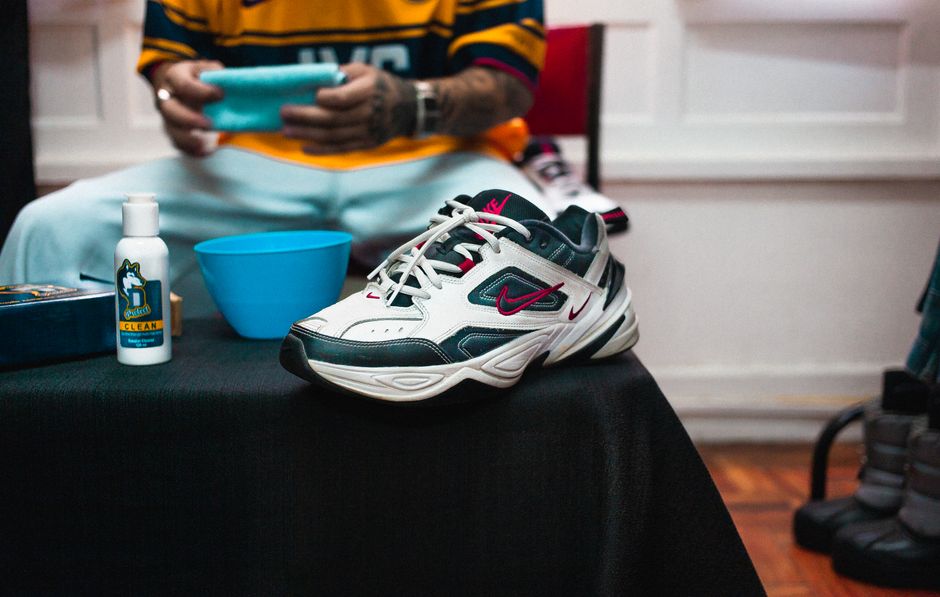
Before beginning the cleaning process, it is helpful to assemble a few common household items that are gentle yet effective. A soft-bristled brush, such as an old toothbrush or a specialized shoe brush, is essential for loosening dirt without scratching surfaces. Two bowls of lukewarm water—one for the cleaning solution and one for rinsing—can help prevent cross‑contamination. Mild dish soap is a versatile choice for both canvas and leather, while baking soda and white vinegar can be used to create a paste for tougher stains. For leather sneakers, a small amount of saddle soap or a dedicated leather cleaner may be considered, though these are not strictly necessary.
It is also advisable to remove the laces and insoles before cleaning, as these components can be washed separately or replaced. Stuffing the sneakers with a clean cloth or paper towels helps them retain their shape during the process. Working on a surface covered with a towel or newspaper will catch drips and avoid spreading dirt. With all supplies ready, the cleaning steps can be performed in a calm, unhurried manner, allowing each stage to take effect without rushing.
Cleaning Canvas Sneakers: A Step‑by‑Step Approach
Canvas sneakers respond well to a gentle washing method that uses a mild cleaning solution and light brushing. A common mixture involves combining one part dish soap with two parts warm water, or creating a paste of three parts baking soda and one part water. The paste option is particularly useful for whitening and addressing set‑in stains. Using a soft brush, the solution is applied to the canvas in small, circular motions, focusing on visibly soiled areas.
It is important to avoid saturating the fabric, as excessive water can weaken the glue holding the shoe together and lead to separation. Instead, the brush should be damp but not dripping. After working the solution into the material, the surface is wiped gently with a clean, damp cloth to remove any residue. For stubborn stains, the paste can be left on the canvas for ten to fifteen minutes before rinsing. Once the cleaning is complete, the sneakers are set aside to air dry at room temperature, away from direct sunlight or heat sources. Placing them near a radiator or in direct sun may cause yellowing or shrinkage.
Cleaning Leather Sneakers: Preserving the Finish
Leather sneakers require a more cautious approach, as their surface is sensitive to moisture and strong cleaners. A solution of warm water and a few drops of mild dish soap is usually sufficient for routine cleaning. Using a soft cloth or the brush, the mixture is applied to the leather in a gentle, wiping motion rather than scrubbing. It is advisable to test the solution on a small, inconspicuous area first, especially if the leather is dyed or has a matte finish.
After cleaning, any soapy residue must be removed with a separate damp cloth. Blotting rather than rubbing helps prevent the leather from becoming waterlogged. Once the shoes are dry, applying a small amount of leather conditioner can help restore flexibility and maintain the material’s natural sheen. However, conditioning is not always necessary if the leather appears and feels supple. For scuffs or marks that do not respond to soap, a specialized leather cleaner or a pencil eraser used very gently may be tried. Aggressive rubbing or the use of alcohol‑based wipes should be avoided, as these can strip the protective coating.
Addressing Tough Stains Without Harsh Chemicals
Some stains, such as grass, ink, or oil, may persist after a basic cleaning. In these cases, targeted methods that rely on household items can be explored without resorting to industrial solvents. For grass stains, a paste of baking soda and vinegar can be applied to the affected area and left for fifteen minutes before being brushed away. For ink marks, a small amount of rubbing alcohol on a cotton ball may be dabbed onto the stain—but only on canvas, not on leather. The alcohol should be applied sparingly and the area blotted immediately to lift the ink.
Oil‑based stains on leather are particularly challenging, as they can soak into the material. A common approach involves sprinkling cornstarch or talcum powder over the stain and letting it sit for several hours to absorb the oil. The powder is then brushed off, and the area may be cleaned lightly with a soap solution. It is worth noting that results vary depending on the age and depth of the stain. Some marks may lighten rather than disappear completely, which is a more realistic expectation for at‑home treatments.
Drying and Ongoing Care
The drying phase is as important as the cleaning itself. After washing, the sneakers should be allowed to dry in a well‑ventilated area with good airflow. Placing them upside down or with the tongues pulled out can help moisture escape from the interior. To prevent white canvas from yellowing, it is recommended to wrap the sneakers in a white towel or paper towels during the drying process, as this absorbs any residual detergent that might cause discoloration.
Ongoing maintenance can reduce the frequency of deep cleanings. Wiping the sneakers with a damp cloth after each wear, especially when they are still damp from rain, helps remove surface dirt before it sets. Using a protective spray designed for the specific material can also create a barrier that repels liquids and stains, though such products do not guarantee complete protection. Replacing laces and insoles periodically keeps the overall appearance fresh. By incorporating these habits, white sneakers can retain their clean look for a longer period, with the understanding that some wear and tear is natural over time.