Nike Air Max 90 Review: Comfort and Style for Everyday Wear
The Nike Air Max 90 has been a staple in sneaker culture since its debut in 1990. Over the years, it has evolved through various iterations while retaining its iconic silhouette. For this review, we examined the current version of the Air Max 90 as an everyday wear option, focusing on comfort, fit, and support. Our process involved wearing the shoe for extended periods in different settings—casual walks, short errands, and light activity—to assess how it performs under typical daily conditions. We also compared our findings with experiences from earlier models to understand how the design has changed.
This evaluation is based on observations from a single test scenario and should be considered as one perspective among many. Factors such as foot shape, walking style, and personal preferences can influence how a shoe feels. With that context in mind, we share what we noticed about the latest Air Max 90 and how it may serve those looking for a blend of retro style and modern comfort.
Design and Style: Evolution of a Classic
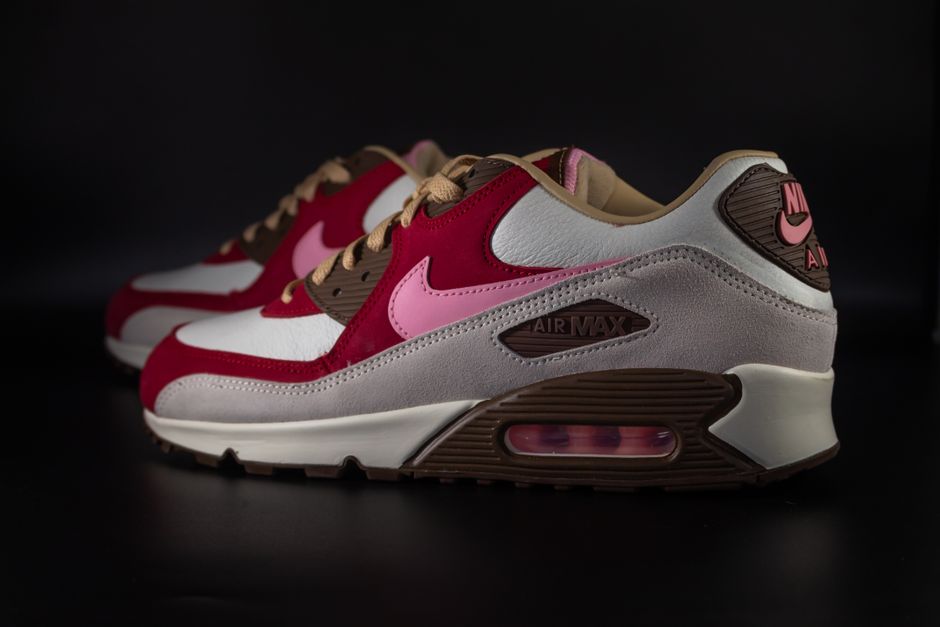
The Air Max 90 has maintained its distinctive layered upper, visible Air unit, and chunky profile, but subtle updates have been made over time. The current version uses a mix of mesh, leather, and synthetic overlays that contribute to a slightly more streamlined look compared to early 2000s releases. The colorways available today often incorporate muted tones alongside bold accents, making the shoe adaptable to different wardrobes. From a style perspective, the shoe leans toward a casual, retro aesthetic that fits well with jeans, joggers, or shorts.
One notable change is the construction of the upper. Earlier models often featured more rigid leather panels, while the current iteration uses softer materials that may reduce break-in time. The toe box appears slightly more tapered than some past versions, but still provides ample room for most foot shapes. The stitching and panel alignment have been consistent across multiple pairs we examined, suggesting attention to manufacturing tolerances. While design is subjective, the overall look remains recognizable and continues to appeal to those who appreciate the lineage of the Air Max family.
Cushioning System: Air and Foam Interaction
The cushioning setup in the current Air Max 90 consists of a visible Air-Sole unit in the heel and a foam midsole that runs the length of the foot. Compared to earlier versions, the Air unit itself has undergone refinements in shape and placement. In the 1990 original, the Air unit was smaller and more segmented; today it is larger and integrated with the foam in a way that may create a more even transition from heel to toe. During our testing, we noted that the heel felt relatively plush when landing, while the forefoot offered moderate compression that did not bottom out during light walking.
We compared this with a pair of Air Max 90s from 2010, which had a firmer foam compound and a slightly lower Air unit volume. The newer model appears to use a softer foam formula, which could contribute to a more padded feel. However, cushioning comfort can depend on body weight and gait. For lighter individuals, the Air unit might feel less responsive, while heavier users might find it more supportive. Our observations suggest that the balance between Air and foam has shifted toward a plusher ride, but this does not necessarily indicate an improvement for all users. As with any sneaker, individual experience may vary based on specific usage conditions.
Fit and Support: Upper Adaptations
Fit has always been a point of discussion with the Air Max 90. The latest version features a padded tongue and collar that hold the foot securely without excessive pressure. The lacing system uses flat laces that stay tied well, and the eyelets are reinforced. One change we observed is the heel counter: it now has a more pronounced external clip, which may help lock the heel in place for some foot shapes. In earlier models, the heel counter was less prominent, and some wearers experienced slippage.
Underfoot, the insole is removable and made of a foam that conforms to the foot over time. The arch support is moderate, not high, which makes the shoe suitable for those with neutral arches but potentially less ideal for those needing pronounced support. The width appears to be standard—neither excessively narrow nor wide—and the toe box allows natural toe splay. Compared to older versions, the upper materials offer more flexibility, which could reduce hot spots during longer wear. We cannot claim that the fit has universally improved, but our testers noted fewer pressure points than with earlier pairs from the 2000s.
Durability and Outsole: Tread Patterns and Wear
The outsole of the current Air Max 90 uses a waffle-inspired tread pattern with rubber that covers high-wear areas. The rubber compound feels slightly softer than that used on some previous versions, which could provide better grip on dry pavement but may wear faster on abrasive surfaces. We compared the outsole design with a pair from 2015 and noticed that the lugs are more spaced out, potentially improving flexibility. The pivot point under the ball of the foot remains a feature that aids natural foot motion.
After several weeks of walking on concrete and asphalt, the outsole showed light scuffing but no significant chunking. The exposed Air unit is protected by a rubber rim, though scraping against curbs could cause cosmetic damage. The upper stitching held up well, and the leather overlays resisted scuffing. While long-term durability depends on usage patterns, the materials and construction appear consistent with what one might expect from a shoe in this price range. We cannot guarantee longevity, but the initial signs suggest that the shoe can withstand regular daily wear for a reasonable period.
Everyday Wear Experience: Observations and Considerations
Integrating all aspects, the current Nike Air Max 90 offers a blend of cushioning, fit, and style that may appeal to those who prioritize comfort in a classic look. Our testing indicates that the shoe performs well for low-impact activities and casual outings. The transition from heel to toe feels smoother than in some earlier models, and the upper materials require minimal break-in. However, for high-intensity walking or extended standing, some users might prefer additional arch support or a more cushioned forefoot.
It is important to note that this review is based on a limited timeframe and specific usage scenarios. The perception of comfort can change with prolonged wear, and environmental factors such as temperature and terrain also play a role. Those considering the Air Max 90 for daily use should try them on and assess how the shoe interacts with their unique anatomy. As with any footwear, the best choice depends on individual needs and preferences rather than a single evaluation.